
Soil Science & PQNK System
Subsoil Compaction Under No-Till Farming vs. PQNK-Based Regenerative Systems: A Critical Analysis
A critique of a PNAS article on subsoil compaction risk under no-till farming, arguing that its machinery-focused solutions treat a symptom of the Ancient Conventional Industrial framework rather than adopting the full four-step PQNK correction the article's own findings point toward.
Abstract
The PNAS article under review found that nearly 40 percent of global no-till land is at high risk of subsoil compaction from heavy machinery despite the absence of tillage, with recovery times running years to decades, longer than the typical interval between compaction events, and identified this as a driver of persistent yield losses in crops such as maize, worsened in wet climates and moist soils.
This analysis argues the article's proposed fixes, lightweight autonomous machinery, controlled traffic farming, and scaling machinery to soil strength limits, are technological adjustments within the existing large-scale, input-dependent farming model rather than a systemic redesign, since the article does not address permanent soil cover, deep-rooted cover crops, or the soil microbial networks that determine whether compaction recurs regardless of machinery weight.
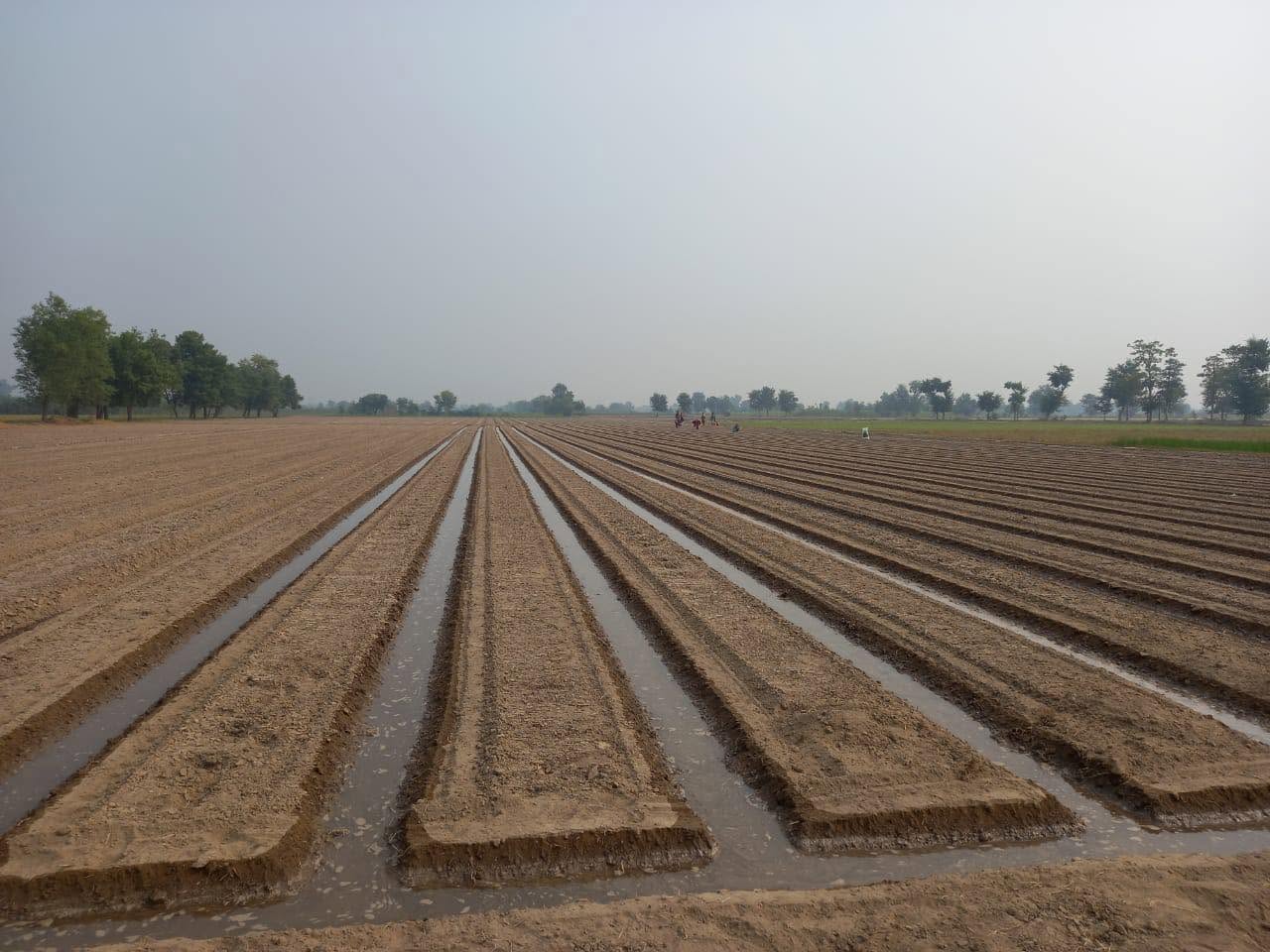
The paper maps the article's own findings directly onto the four PQNK steps as the missing prescription: breaking the hardpan addresses the exact subsoil compaction the article warns about; correcting soil chemistry resolves the pH and nutrient lock-up that compounds compaction; permanent raised beds combined with Jantar's deep roots create a compaction-resistant zone that biologically fractures subsoil over time; and permanent mulch under true no-till maintains the structure and moisture the article's no-till systems lack.
The conclusion frames the PNAS article as a valuable diagnosis of a broken system rather than a workable prescription, and cautions policymakers against treating no-till alone as synonymous with regenerative agriculture; the paper's position is that true sustainability requires all four PQNK steps operating together to integrate soil physics, chemistry, and biology into a closed-loop system.
Key Takeaways
- The PNAS article found nearly 40 percent of global no-till land at high risk of subsoil compaction from heavy machinery, with recovery times of years to decades exceeding the interval between compaction events.
- The article's proposed solutions (lightweight autonomous machinery, controlled traffic farming) are described as technological tweaks within the existing industrial farming model, not a systemic redesign.
- The analysis maps the article's findings directly onto the four PQNK steps: hardpan breaking, chemistry correction, raised beds with Jantar's deep roots, and permanent mulch under true no-till.
- The central policy caution is that no-till alone should not be equated with regenerative agriculture; without complementary soil chemistry and biology corrections, no-till systems remain vulnerable to the same compaction the article documents.