
Soil Science & PQNK System
Soil Moisture Management in PQNK Organic Farming: The 30/70 Rule
Sets out PQNK's core moisture benchmark, 30% water-filled and 70% air-filled soil pore space, and the yield, input-cost, and produce-quality consequences of over-irrigating past it.
Abstract
This paper defines the 30/70 Rule as PQNK's central soil-moisture benchmark: pore space should be roughly 30% filled with water and 70% filled with air, a balance it presents as the precise condition needed for beneficial soil microorganisms and healthy root development to coexist.
Maintaining this balance is tied to several compounding benefits: an approximately 90% reduction in water usage compared to conventional irrigation once hardpan-free, well-structured soil allows water to infiltrate efficiently to where it is needed; elimination of chemical fertilizer need, since the resulting thriving microbial ecosystem converts existing soil minerals into plant-available forms; and natural pest protection, as Bacillus thuringiensis populations flourish under these aerated conditions and produce proteins toxic to common pests while remaining harmless to the crop and beneficial insects.
The paper is explicit about the failure mode on the other side of the balance: sudden, excessive vegetative growth is identified as a warning sign that a plant is struggling with mineral uptake under over-irrigated conditions, which in turn increases pest vulnerability as tissues soften, and ultimately produces reduced yield and lower nutritional quality in the harvest.
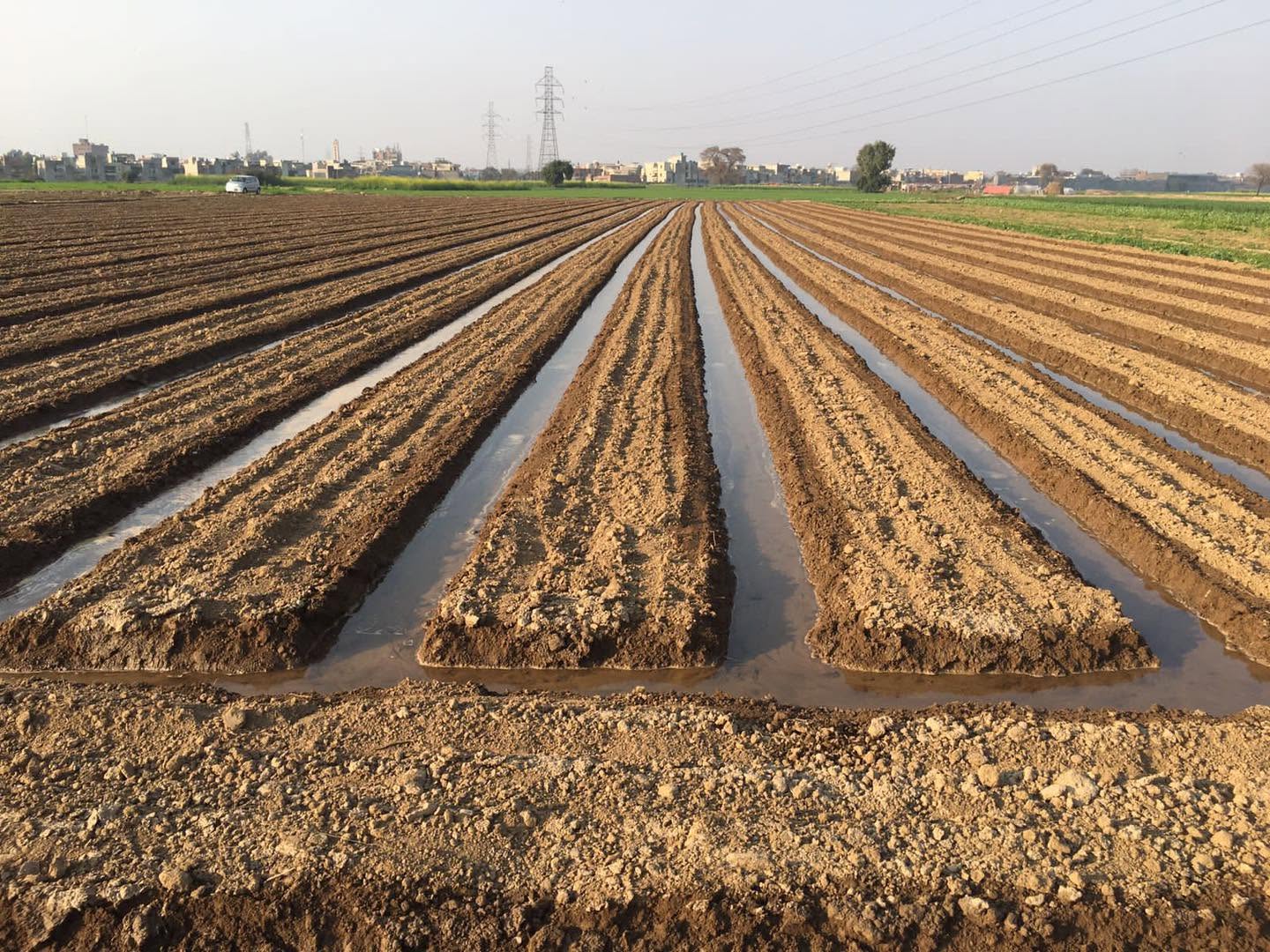
Practical furrow-irrigation guidance follows directly from the rule: check soil moisture before irrigating, factor in recent rainfall, observe plant stress indicators, and default toward less water rather than more, since hardpan-free beds with organic mulch cover are described as already providing natural pathways for adequate infiltration and aeration without supplemental flooding.
Key Takeaways
- The 30/70 Rule is PQNK's core soil-moisture target: roughly 30% of pore space water-filled, 70% air-filled, calibrated for simultaneous microbial and root health.
- Maintaining this balance is associated with an approximately 90% reduction in irrigation water use versus conventional methods once hardpan is broken and beds are well-structured.
- Bacillus thuringiensis populations thrive under 30/70-balanced aeration, providing natural pest protection without synthetic pesticide inputs.
- Over-irrigation's warning signs form a chain: excessive vegetative growth signals impaired mineral uptake, which increases pest vulnerability and ultimately lowers both yield and nutritional quality.
- Furrow-irrigation decisions should be need-based (checked soil moisture, recent rainfall, plant stress signs) rather than scheduled, on the principle that less water often produces better results.