

KP-201 · Water & Climate
Rice Is Not the Problem. The Way We Grow Rice Is: From the 2009-2011 Mechanised SRI Trial to Direct-Seeded Rice on Mature, Mulch-Covered PQNK Beds
Pedaver's own peer-reviewed 2011 rice trial reported mechanised SRI on newly formed raised beds using about 70% less irrigation water than conventional practice. That was a genuine breakthrough, but it was an early transition stage, not present-day PQNK. The current PQNK field comparison records 321 litres of applied water per kilogram of rice against 4,699 litres/kg conventional, a reduction of roughly 93%, achieved through direct seeding into mature, permanently mulch-covered raised beds with no inundation. This paper traces that development and pushes back on several widely repeated but poorly-sourced claims: that rice requires flooding, that a universal "4,000 litres per kilogram" or "60% evaporation loss" figure describes all rice production, and that rice itself, rather than how it is milled and consumed, is a cause of diabetes.
Read or listen to the full paper ↓Abstract
Claims that rice "wastes" thousands of litres of water per kilogram, that flooded rice loses enormous quantities of water, that white rice is associated with metabolic disease, and that milling removes much of the grain's nutritional value all point toward real problems, but they can lead to the wrong conclusion. This paper argues that rice itself is not the problem; the production and processing system built around rice is. Pedaver's own rice work provides an unusually clear historical record of how that question evolved. A peer-reviewed paper published in Paddy and Water Environment in 2011, "Technical Adaptations for Mechanized SRI Production to Achieve Water Saving and Increased Profitability in Punjab, Pakistan," reported the first stage: mechanised SRI on newly formed raised beds, begun in 2009, achieving an average yield of 12.84 t/ha and roughly 70% lower irrigation-water application than conventional practice, along with major reductions in labour. That work was important, but it was not present-day PQNK. Ten-day-old nursery seedlings were transplanted onto newly made beds still in transition from conventional cultivation; the first irrigation overtopped the beds to settle the seedlings, and a tractor-mounted Weeder Aerator suppressed weeds while disturbing the surface. The 2011 paper itself anticipated further evolution, stating that the beds were intended to become permanent and that mechanical soil-aerating weeding would become less necessary as soil structure, organic matter and biodiversity improved. That is precisely the direction the system subsequently took.
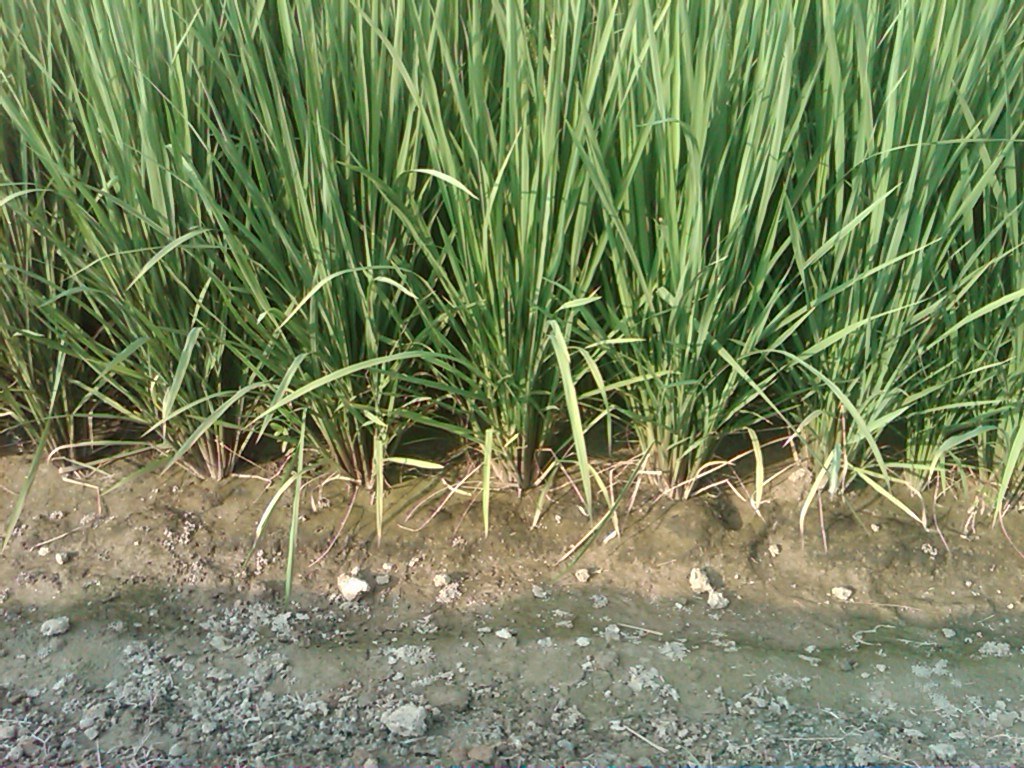
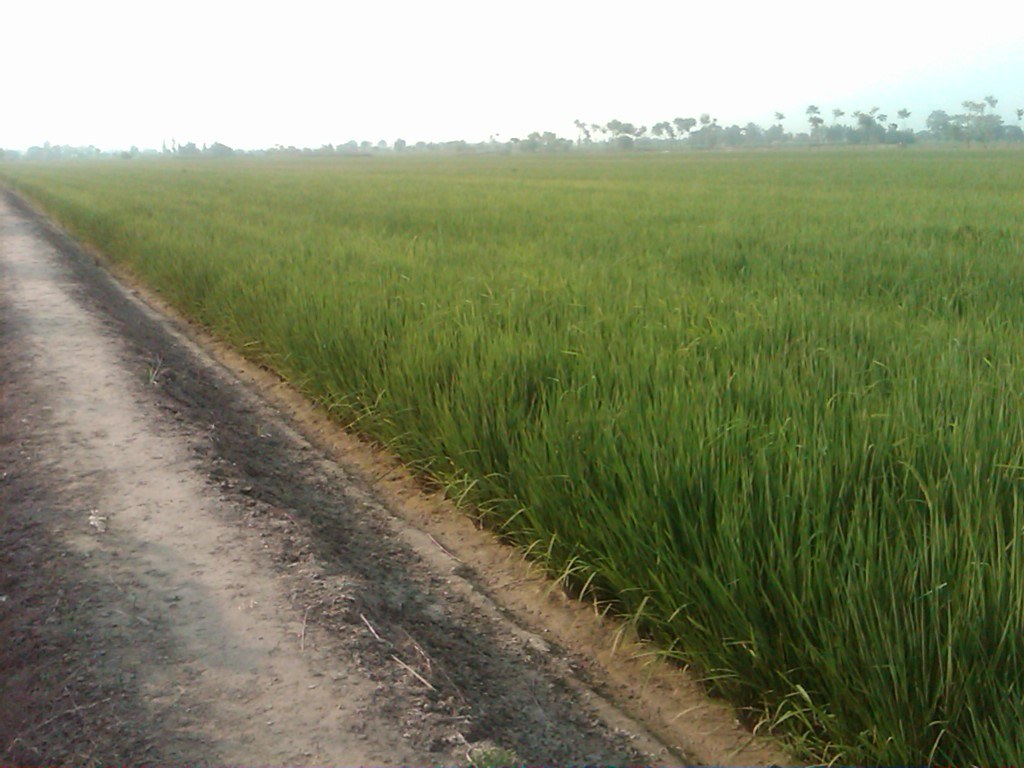
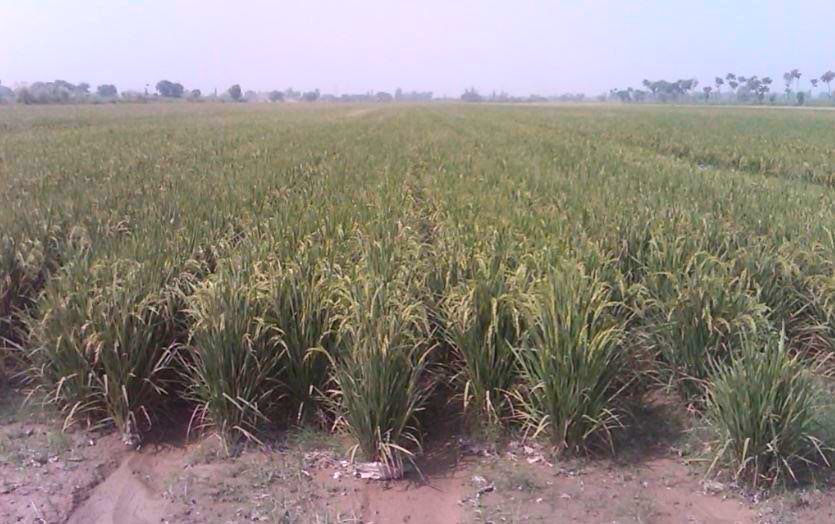
Mature PQNK rice differs from the 2011 trial in several linked ways. Direct seeding has eliminated the nursery, uprooting, transport and transplanting stages, along with any need to flood the field to establish seedlings. Newly formed beds have given way to mature permanent raised beds, so soil architecture is preserved crop after crop rather than rebuilt before every planting. A mechanical Weeder Aerator has given way to permanent organic mulch cover and biological system management, so routine soil disturbance is no longer required. Fertiliser and compost banding has given way to biological nutrient cycling, so purchased inputs no longer form the production foundation. Initial bed-overtopping irrigation has given way to Soil Moisture Management: water is applied to the furrows only when the root-zone moisture condition indicates a need, moving laterally into the bed, replacing the calendar question of when the next irrigation turn falls with the biological question of whether the root zone actually needs water. The current PQNK field comparison records 1,600 kg of rice per acre using approximately 513,950 litres of water over the crop life, about 321 litres per kilogram, against a conventional reference of 1,400 kg per acre using approximately 6,579,200 litres, or 4,699 litres per kilogram, roughly a 93% reduction in applied irrigation water. This is substantially greater than the saving reported in the first MSRI trial, not because the earlier figure was wrong, but because it describes an earlier stage of the same production system. Rice is exceptionally tolerant of flooded conditions, but tolerance is not the same as requirement: the 2011 work already began from the recognition that rice is not an aquatic plant and can be productive in moist, aerated soil, and mature PQNK carries that principle further, maintaining moist rather than saturated soil so that roots and soil biology can function without ever filling the pore system with standing water.
The paper is deliberately cautious about how far any single figure can travel. Published estimates for rice water use vary widely because different studies measure different things, irrigation applied at field level, evapotranspiration, rainfall, seepage, percolation or wider water-footprint components, so a headline figure such as "4,000 litres per kilogram" cannot be treated as the fixed physiological requirement of the rice plant, and the PQNK figures themselves are field data for a stated comparison, not a universal water requirement for every rice field, since soil texture, rainfall, climate, groundwater contribution, crop duration and measurement boundaries all affect the result. The same caution applies to evaporation: it is unsafe to state universally that "60% of rice water is lost to evaporation," since evaporation, transpiration, seepage and percolation vary greatly between environments, though maintaining exposed standing water can confidently be said to create a large non-productive evaporation surface, which PQNK addresses directly through no inundation, permanent mulch cover and irrigation only when required.
On nutrition, the paper argues that "rice causes diabetes" is scientifically too broad a claim: type 2 diabetes is multifactorial, and while high consumption of refined white rice has been associated in observational research with higher risk, the form in which rice is processed and the quantity consumed within the total diet both matter. The plant produces a grain; human processing then determines how much of that grain remains in the food, and polishing removes bran and germ, leaving the starch-rich endosperm as the dominant fraction, which is why a claim of exactly "75% nutrient loss" from milling should not be repeated as a universal figure either, since nutrient distribution within the grain and losses both depend on the degree and method of milling. Most discussion of rice nutrition begins after harvest; PQNK begins before the seed is planted, since grain composition emerges from genetics interacting with root-zone aeration, moisture, biological nutrient cycling, temperature, crop health and harvest maturity, and the paper argues that future PQNK-versus-conventional comparison should extend beyond yield and irrigation water to grain filling, head-rice recovery, breakage, protein and mineral profiles, and nutrition produced per unit of water.
Full Paper
If you use “Listen”, the text of the page may be sent to your browser or operating system’s speech provider, such as Apple, Google or Microsoft, depending on the voice your device uses. Pedaver does not process, transmit or store any audio.
Rice needs water. It does not need a flooded field.
1. The Question Has Changed
Claims that rice “wastes” thousands of litres of water per kilogram, that flooded rice loses enormous quantities of water, that white rice is associated with metabolic disease, and that milling removes much of the grain’s nutritional value point toward real problems. But they can also lead to the wrong conclusion. Rice itself is not the problem. The production and processing system built around rice is the problem.
PQNK asks a more useful question: what does the rice plant actually require, and how much of conventional rice cultivation exists because the plant needs it rather than because agriculture has become accustomed to doing it? That distinction is the foundation of this paper.
Our own rice work provides an unusually clear historical record of how that question evolved. The peer-reviewed paper published in Paddy and Water Environment in 2011 reported the first stage: mechanised SRI on newly formed raised beds. That work was important, but it was not present-day PQNK. The production system has advanced substantially since then.
2. The 2011 Paper Was the First Step, Not the Final System
The 2011 paper, “Technical adaptations for mechanized SRI production to achieve water saving and increased profitability in Punjab, Pakistan,” reported work that began in 2009. Its central achievement was to challenge the assumption that rice had to be grown under continuous inundation. The paper reported an average yield of 12.84 t/ha in the first-season trial and approximately 70% lower irrigation-water application than conventional practice. It also recorded major reductions in labour requirements.
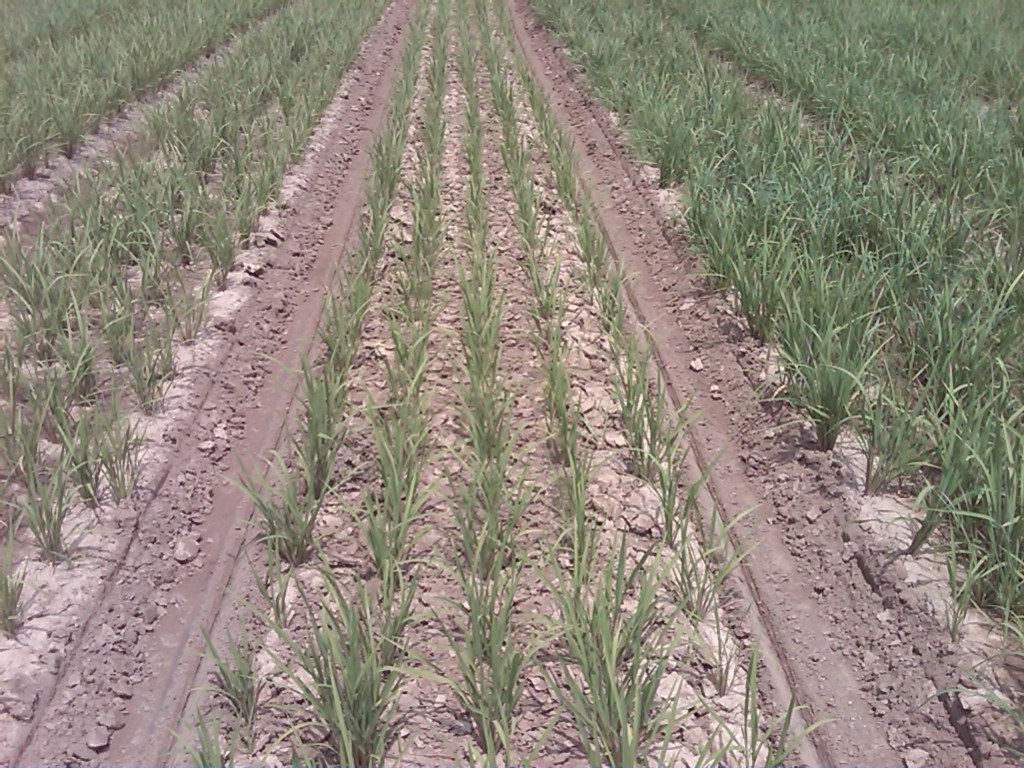
But the agronomy described in that paper must be understood in its historical context. Ten-day-old nursery seedlings were transplanted onto newly made raised beds. The field was still in transition from conventional cultivation. The first irrigation overtopped the beds to settle the transplanted seedlings. Subsequent irrigations were applied through furrows. Fertilizer and compost were banded mechanically. Weeds were suppressed with a tractor-mounted precision Weeder Aerator, which also disturbed the surface to aerate the soil.
The paper itself anticipated further evolution. It stated that the beds were intended to become permanent, that transition away from extensive tillage takes time, and that as soil structure, organic matter and biodiversity improved, mechanical soil-aerating weeding would become less necessary. Those observations are important today because that is precisely the direction in which the system subsequently developed.
3. From MSRI to Mature PQNK Rice
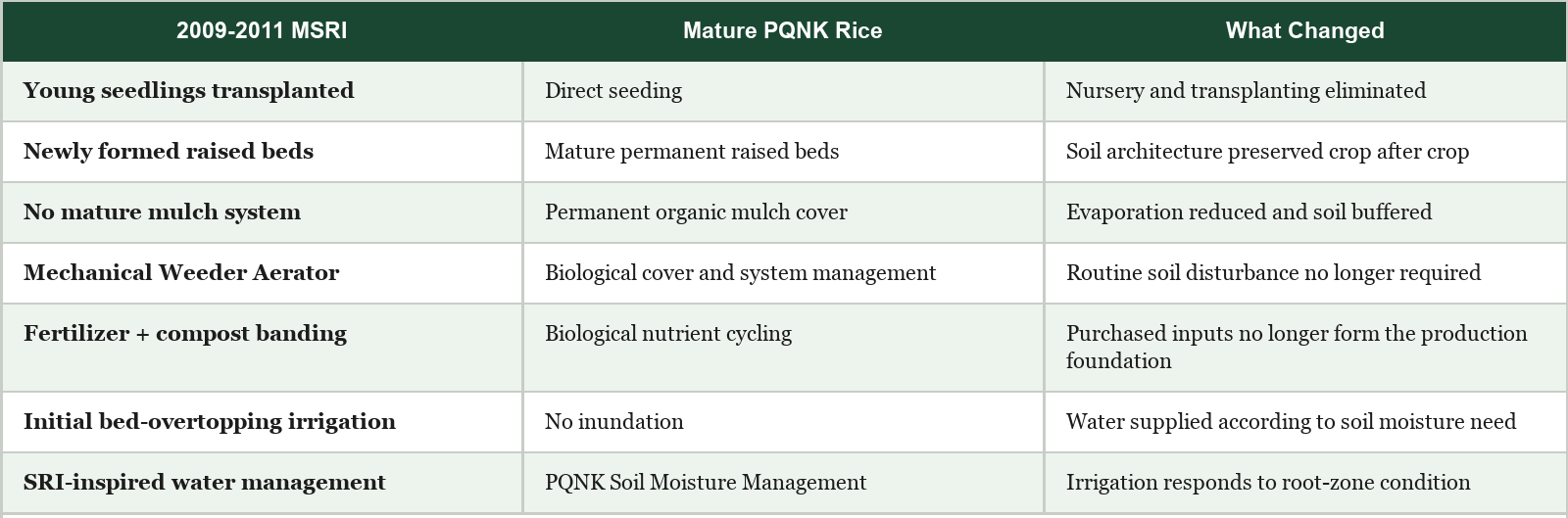
| 2009-2011 MSRI | Mature PQNK Rice | What Changed |
|---|---|---|
| Young seedlings transplanted | Direct seeding | Nursery and transplanting eliminated |
| Newly formed raised beds | Mature permanent raised beds | Soil architecture preserved crop after crop |
| No mature mulch system | Permanent organic mulch cover | Evaporation reduced and soil buffered |
| Mechanical Weeder Aerator | Biological cover and system management | Routine soil disturbance no longer required |
| Fertilizer + compost banding | Biological nutrient cycling | Purchased inputs no longer form the production foundation |
| Initial bed-overtopping irrigation | No inundation | Water supplied according to soil moisture need |
| SRI-inspired water management | PQNK Soil Moisture Management | Irrigation responds to root-zone condition |
4. The Water Number Has Changed With the Production System
The current PQNK comparison records 1,600 kg of rice per acre (40 maunds) using approximately 513,950 litres of water over the crop life. That is about 321 litres of applied water per kilogram of rice. The conventional comparison uses 1,400 kg per acre (35 maunds) and approximately 6,579,200 litres, or 4,699 litres per kilogram.
On this comparison, PQNK uses about 7% as much applied irrigation water as the conventional reference, a reduction of approximately 93%. This is much greater than the water saving reported in the first MSRI trial. That difference is not an inconsistency. It records the development of the production system from newly constructed, relatively bare beds with transplanted seedlings and mechanical weeding to mature, permanently covered, direct-seeded PQNK beds.
These figures are Pedaver/PQNK field data for the stated production comparison, not a universal water requirement for every rice field. Soil texture, rainfall, climate, groundwater contribution, crop duration, yield and measurement boundaries all affect water-use figures.
5. Rice Does Not Require Inundation
Rice is exceptionally tolerant of flooded conditions, but tolerance is not the same as requirement. The 2011 work explicitly began from the recognition that rice is not an aquatic plant and can be productive in moist, aerated soil. In the original trial, furrow irrigation kept the raised-bed root zone moist without maintaining standing water after establishment.
PQNK now carries this principle further. Water is applied to the furrows only when the root-zone moisture condition indicates a need. It moves laterally into the permanent bed. The objective is not to fill the soil pore system with water, but to maintain the moist and aerated environment in which roots and soil biology can function.
This is Soil Moisture Management (SMM). It replaces the calendar question, “When is the next irrigation turn?” with the biological question, “Does the root zone need water?” The farmer’s ball test is a practical field indicator within this management approach.
6. Why Mature Mulch-Covered Beds Need Still Less Water
The first MSRI field did not yet possess the mature surface protection and biological structure of present PQNK fields. A mature PQNK bed remains covered with retained organic material. That cover shields the soil from direct solar radiation and wind, reduces direct soil evaporation, moderates temperature and protects the pore architecture through which water and air move.
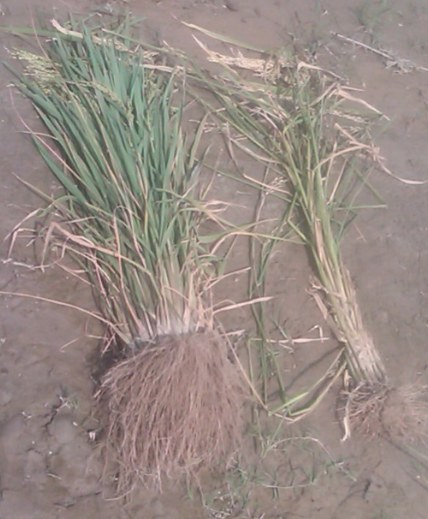
Roots from successive crops remain in the soil rather than being repeatedly uprooted by tillage. Biological channels, aggregates and fungal networks are therefore allowed to persist and develop. Controlled traffic confines machinery to the furrows. Once the bed has matured, the production system is no longer rebuilt before every crop.
Direct seeding is a crucial part of this progression. The nursery, uprooting, transport and transplanting stages disappear. There is no requirement to flood the field to establish transplanted seedlings. Seed is placed directly into the protected bed with minimum disturbance.
7. What Does “4,000 Litres per Kilogram” Actually Mean?
Published estimates for rice water use vary widely because different studies measure different things. Some count irrigation applied at field level; others count evapotranspiration, rainfall, seepage, percolation or wider water-footprint components. These figures are useful for particular purposes, but they are not interchangeable.
A headline figure such as 4,000 litres per kilogram therefore cannot be treated as the fixed physiological requirement of the rice plant. The PQNK comparison asks a narrower field question: how much irrigation water is actually applied to produce the crop under a defined production system? In the current comparison that figure is 321 litres per kilogram.
The number matters, but the larger lesson matters more: water use changes when the production architecture changes.
8. Evaporation: Correct the System, Not the Statistic
It is unsafe to state universally that “60% of rice water is lost to evaporation.” Evaporation, transpiration, seepage and percolation vary greatly between environments and production systems. What can be stated with confidence is that maintaining exposed standing water creates a large non-productive evaporation surface.
PQNK attacks the cause directly: no inundation, permanent mulch cover, moist rather than saturated soil, and irrigation only when required.
9. Rice and Diabetes: Do Not Blame the Crop
The statement that “rice causes diabetes” is scientifically too broad. Type 2 diabetes is multifactorial. The form in which rice is processed and the quantity consumed within the total diet do matter, and high consumption of refined white rice has been associated in observational research with higher type 2 diabetes risk.
The distinction is important for PQNK. The plant produces a grain. Human processing then determines how much of that grain remains in the food. Polishing white rice removes bran and germ and leaves the starch-rich endosperm as the dominant fraction.
For the same reason, the claim that milling causes exactly “75% nutrient loss” should not be repeated as a universal figure. Nutrients are distributed differently within the grain and losses depend on the degree and method of milling. The defensible statement is that extensive polishing removes nutritionally valuable bran and germ fractions and substantially changes the nutritional composition of the edible grain.
10. PQNK Extends the Nutrition Question Back to the Root
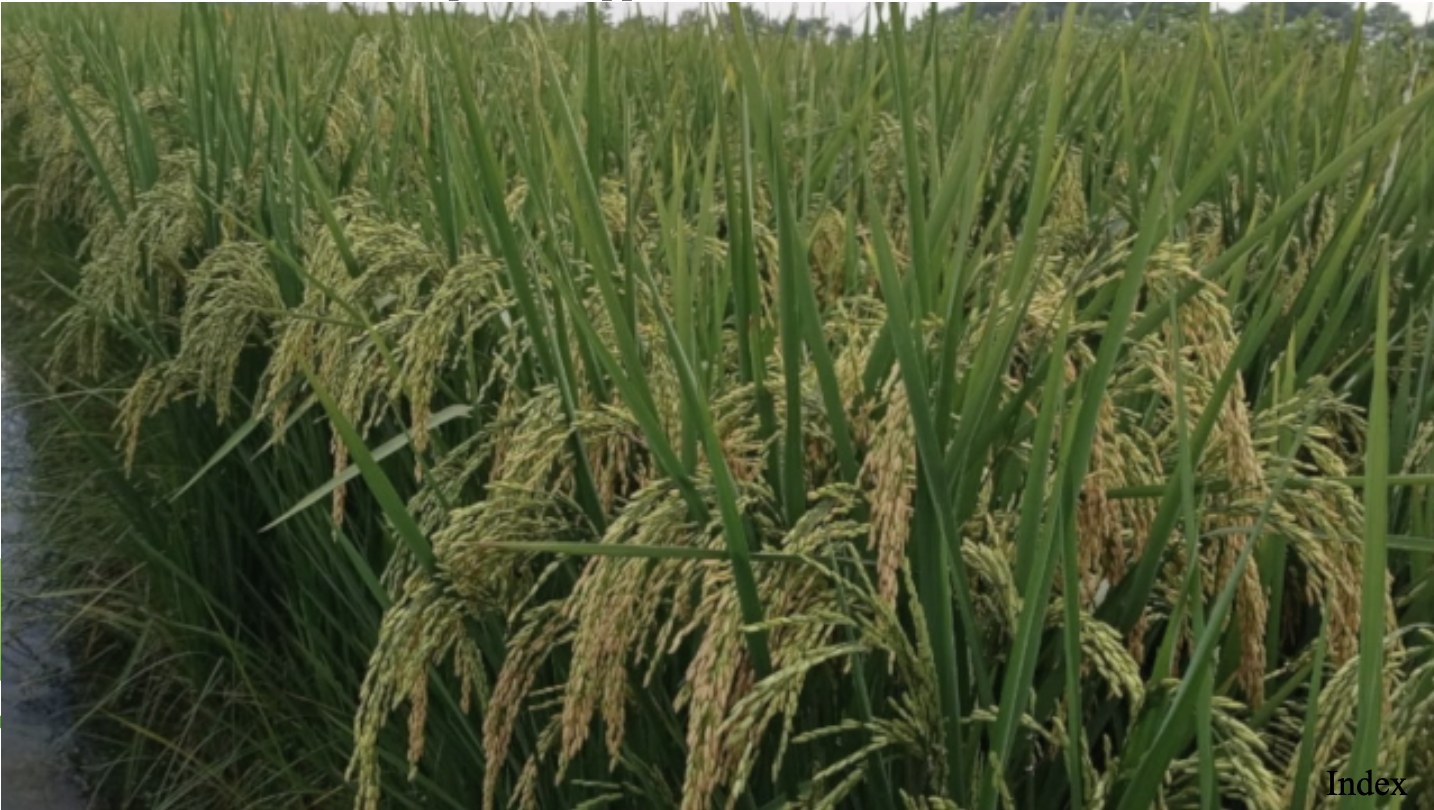
Most discussion of rice nutrition begins after harvest. PQNK begins before the seed is planted. Grain composition and quality emerge from genetics interacting with the production environment. Root-zone aeration, moisture, biological nutrient cycling, temperature, crop health, harvest maturity and post-harvest handling all matter.
This gives us two separate questions: how much nutrition did the plant place in the grain, and how much of that nutrition did processing subsequently remove? Future comparison of PQNK and conventional rice should therefore extend beyond yield and irrigation water to grain filling, husk-to-kernel ratio, head-rice recovery, breakage, protein and mineral profiles, aroma, cooking quality and nutrition produced per unit of water.
11. The 2011 Paper Now Has a Different Meaning
Read today, the 2011 paper should not be presented as the description of current PQNK rice production. It is more valuable than that. It is a documented early stage in the scientific and engineering journey.
It recorded the break from continuous flooding, the move onto raised beds, controlled furrow irrigation, precision crop establishment, mechanical weed suppression and the recognition that soil biology and aeration mattered. It also explicitly anticipated permanent beds, increasing organic matter, reduced soil disturbance and declining need for mechanical weeding as the biological system improved.
Present-day PQNK rice shows where that progression led: direct seeding into mature permanent beds, continuous mulch cover, no inundation, no routine tillage, no transplanting, Soil Moisture Management and a production environment designed to let the living system do more of the work.
12. Conclusion: Change the Production System, Not the Crop
When rice is said to consume thousands of litres of water per kilogram, the first question should be: under which production system? When white rice is associated with metabolic risk, the question should be: in what form, quantity and dietary context? When milling is blamed for nutrient loss, the question should be: how much of the whole grain was removed?
PQNK connects these questions across the entire chain: soil, water, biology, plant, grain, processing, food and human nutrition.
Rice does not demand continuous flooding. Rice does not demand puddling. Rice does not demand transplanting. Rice does not demand bare soil. Rice does not demand repeated tillage. These are production choices.
The first mechanised SRI trials showed that one of the strongest conventions in agriculture could be broken. Mature PQNK now goes much further. The field is no longer reconstructed for the rice crop. The rice crop is inserted into an already functioning, protected biological production system.
That is why the present PQNK water figure should not be viewed merely as another irrigation-efficiency statistic. It represents the cumulative effect of changing the architecture of production.
The 2011 question was: Can rice be produced with much less water?The PQNK question is now: How little external intervention is necessary when the production system itself is functioning?
Key Propositions
• The 2011 mechanised SRI trial was an early transition stage, not the present PQNK rice system.
• Current PQNK rice is direct-seeded into mature, permanently mulch-covered raised beds.
• The present field comparison records 321 litres of applied water per kg of rice versus 4,699 litres/kg in the conventional reference.
• Rice requires water, but continuous inundation is not a biological requirement.
• Water-use figures must state what is being measured; a universal “4,000 litres/kg” claim is misleading without an accounting boundary.
• A universal “60% evaporation loss” claim should not be repeated without context.
• Rice should not be described as a cause of diabetes; processing, quantity and total dietary pattern matter.
• Milling and polishing remove nutritionally valuable grain fractions, but “75% nutrient loss” is not a universal value.
• PQNK evaluates the whole chain from soil and water to grain, processing, food quality and human nutrition.
Source and Editorial Note
This Knowledge Paper responds to public claims about rice water use, evaporation, diabetes and milling losses through the PQNK framework. The 2011 peer-reviewed paper by Asif Sharif is used as the historical baseline for the first mechanised SRI trial. Present PQNK field-water figures are supplied by Pedaver and describe the stated comparison.
Historical source: Sharif, A. (2011). Technical adaptations for mechanized SRI production to achieve water saving and increased profitability in Punjab, Pakistan. Paddy and Water Environment 9:111-119. DOI 10.1007/s10333-010-0223-5.
pedaver.Com
About This Paper
- Crop
- Rice
- Problem
- Over-Irrigation · High Irrigation Cost / Dependency
- Science
- Water · Nutrition
- Evidence
- Measured Field Result
- Authority
- Current / Approved PQNK Knowledge
Related PQNK Science
Key Takeaways
- The 2011 peer-reviewed mechanised SRI trial was an early transition stage, roughly 70% water savings on newly formed raised beds with transplanted seedlings, not the present-day PQNK rice system.
- Current PQNK rice is direct-seeded into mature, permanently mulch-covered raised beds, with no nursery, no transplanting and no inundation.
- The present field comparison records 321 litres of applied water per kg of rice, against 4,699 litres/kg in the conventional reference, about 7% of conventional applied irrigation water.
- Rice requires water, but continuous inundation is not a biological requirement; rice is flood-tolerant, not flood-dependent.
- A universal "4,000 litres per kilogram" water-use claim is misleading without stating what is actually being measured, applied irrigation, evapotranspiration, or a wider water footprint.
- A universal "60% evaporation loss" claim should not be repeated without context; what can be said with confidence is that standing water creates a large non-productive evaporation surface, which PQNK removes.
- Rice should not be described as a cause of diabetes; processing, quantity and total dietary pattern all matter, and the plant's grain is not the same thing as the milled food it becomes.
- Milling and polishing remove nutritionally valuable bran and germ fractions, but a fixed "75% nutrient loss" figure is not a universal value.
- PQNK evaluates the whole chain from soil and water to grain, processing, food quality and human nutrition, and treats the present water and yield figures as field data to be documented crop by crop, not a universal guarantee.
Related Crops
Related Knowledge
same problem
Soil Moisture Management in PQNK Organic Farming: The 30/70 Rule
Explains PQNK's core moisture condition, roughly 30% water-filled and 70% air-filled soil pore space, as the sustained balance of a healthy, functioning PQNK soil, and the yield, input-cost, and produce-quality consequences of over-irrigating past it.
same problem
Creating On-Farm "Micro-Water Cycles": Landscape Design to Maximize Rain, Dew, and Humidity Capture at the Microclimate Level
This foundational document argues that irrigation dependency is a design failure, not a water-supply problem, and backs the claim with per-crop data: PQNK sugarcane and rice show an 88-93% reduction in externally supplied irrigation water compared to conventional production. It lays out the landscape design, contour work, and mulch management that let a farm meet its own water needs from rainfall, dew, and humidity alone.
same problem
Knowledge Paper: The Looming Convergence of Oil and Food Crises — The Imperative for a Paradigm Shift toward PQNK
Written against the backdrop of an escalating Middle East conflict and its spillover into global oil markets, this paper maps how deeply Pakistan's and India's food systems are structurally dependent on fossil fuel, from Haber-Bosch fertilizer to diesel-pumped irrigation, and argues PQNK is the only de-risking strategy that breaks the link entirely rather than subsidizing around it.
same problem
How Much Water Does One Irrigation Use?
Calculated for one acre of 220 by 198 feet: one 4-inch flood irrigation puts 411,161 litres on the field, while the furrows of a PQNK permanent bed hold 71,953 litres at a 4-inch head, less than one-fifth of a flood. Across a season PQNK in transition uses 5.5 to 16.2 percent of flood water and one-tenth to one-third of drip, mulch keeps evaporation minimal so applications are fewer, and mature beds at 400 mm or more of rainfall need no irrigation.