

Soil Science & PQNK System
The Story of Phosphate: From Sahara Desert to Amazon
An analysis of why the popular Sahara-dust-feeds-the-Amazon explanation is scientifically overstated, and why the Amazon's 400-million-year phosphorus supply actually rests on undisturbed soil microbiology rather than imported dust.
Abstract
NASA satellite tracking confirms that Saharan dust deposits roughly 22,000 tonnes of phosphorus per year into the Amazon basin, a real and measured phenomenon. This paper argues the figure is nonetheless a poor explanation for the Amazon's long-term fertility: the dust falls mainly over the western basin near the Andes, yet the eastern and southern Amazon, which never receive it, are equally lush and biodiverse, and the quantity delivered is a small fraction of what the forest's biomass actually requires.
The paper attributes the Amazon's actual phosphorus supply to a 'weathering engine' running in every undisturbed soil profile: root-exuded organic acids dissolve insoluble mineral-bound phosphorus, mycorrhizal fungi trade phosphatase-liberated phosphorus to roots for sugars, and fallen litter is decomposed and reabsorbed within days, so that phosphorus is never left sitting free in soil water where the region's over 10 feet of annual rainfall could wash it away.
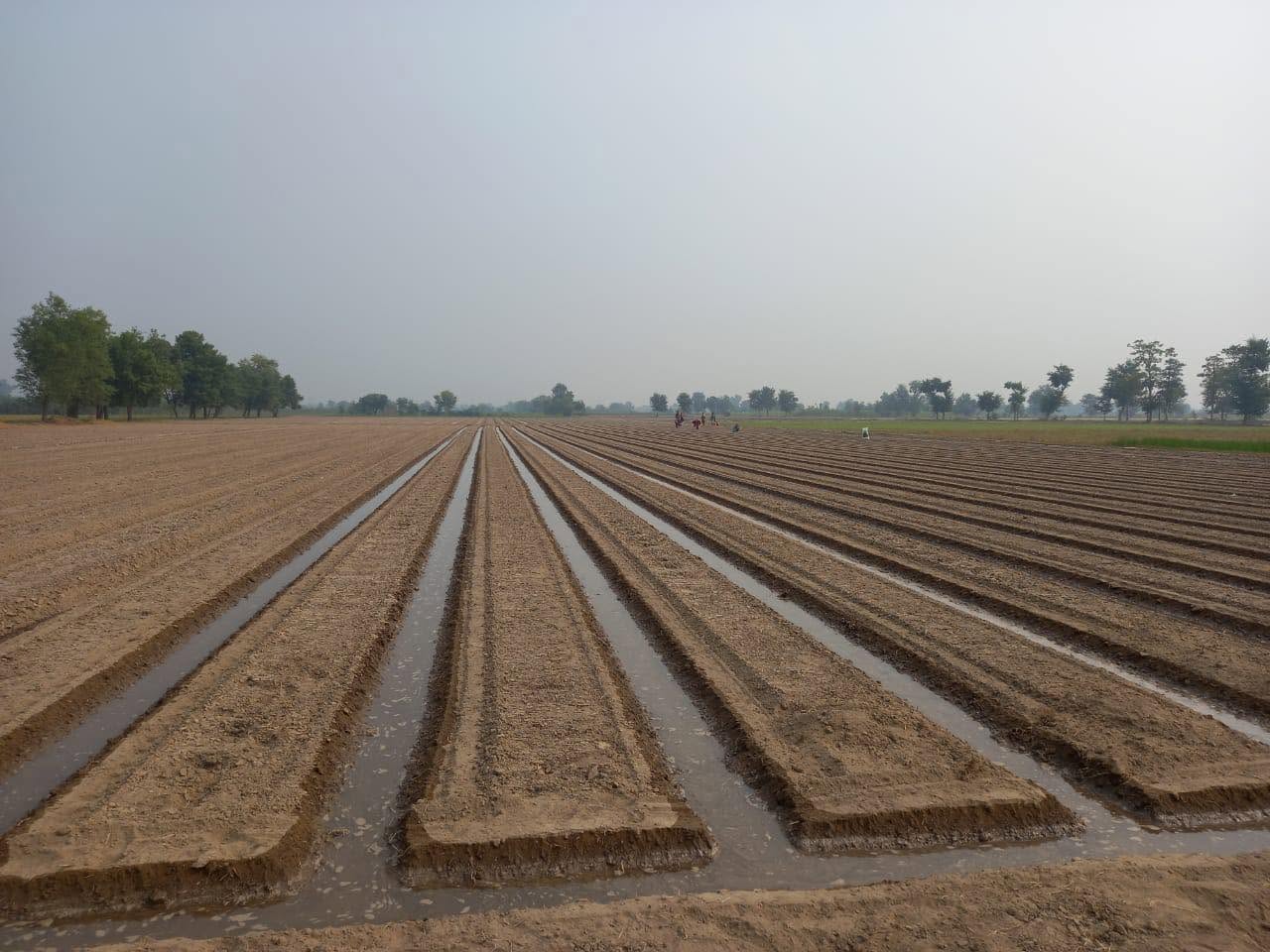
This same mechanism, it argues, explains why agriculture fails on chemically identical tropical soil: tillage severs the fungal hyphal network the weathering engine depends on, while bare soil and flood irrigation convert locked phosphorus into a water-soluble form with no root network positioned to immediately absorb it, so the newly available nutrient is lost to runoff within weeks rather than cycled internally as it is under intact forest.
The conclusion generalizes the point: every soil, cultivated or not, holds substantial geological mineral reserves in non-water-soluble form, and the difference between abundance and deficiency is not the mineral's presence but whether soil biology remains active enough to convert it to plant-available form, an argument the paper frames as a direct rebuttal to treating imported inputs as the primary route to soil fertility.
Key Takeaways
- Saharan dust delivers about 22,000 tonnes of phosphorus per year to the Amazon basin, but only to the western region; the equally lush eastern and southern Amazon receive none of it.
- Root-exuded organic acids and mycorrhizal phosphatase enzymes unlock mineral-bound phosphorus and shuttle it directly to roots within days of leaf fall, so it is never left free in soil water to wash away.
- Tillage severs the fungal hyphal network responsible for this internal cycling, which is why identical tropical soil that supports rainforest for hundreds of millions of years fails to sustain cultivated crops.
- Bare soil and flood irrigation convert locked phosphorus into water-soluble form with no root network positioned to absorb it, so roughly 80 percent is lost to fixation or runoff rather than reaching the crop.
- The Amazon's fertility predates the Sahara's aridification by hundreds of millions of years, indicating its phosphorus supply was never dependent on cross-continental dust in the first place.