

Water & Climate
Flood Irrigation and Jaggery-Water Microbes: A Farmer Q&A
A farmer's question on the apparent contradiction between PQNK's warning against flooding fields and organic-farming advice to multiply microbes in jaggery water, resolved by distinguishing permanent soil microbes from temporary liquid-culture microbes.
Abstract
The farmer's question captures a real tension: PQNK teaches that flooding a field drowns aerobic soil microbes within 24-48 hours by cutting off oxygen, yet organic-farming trainers and universities recommend multiplying microbial cultures in jaggery water. The answer resolves this by distinguishing two entirely different environments rather than treating the practices as contradictory: soil pores as a permanent home versus a jaggery-water tank as a temporary, actively aerated vessel.
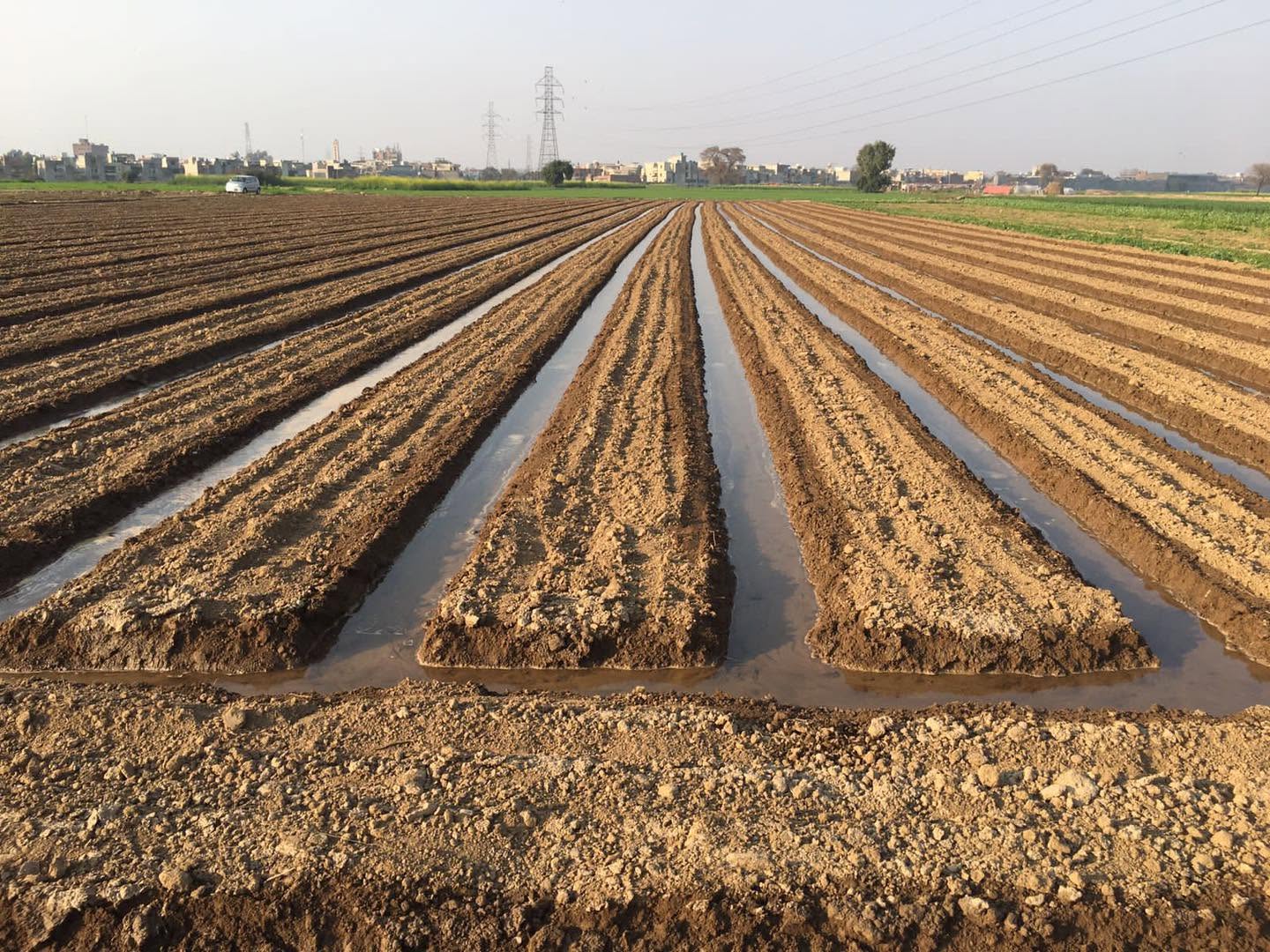
Soil microbes are described as permanent residents requiring continuous oxygen in the spaces between soil particles; flooding fills those spaces with water, cuts off oxygen, and kills the aerobic population within one to two days, which is why PQNK's raised-bed furrow irrigation never submerges the growing bed itself. By contrast, liquid-culture microbes multiplied in jaggery water are typically facultative anaerobes or fermenting organisms tolerant of variable oxygen, and the water in that vessel is described as a transport vehicle, not a habitat, with vigorous stirring several times a day serving specifically to maintain aerobic conditions during multiplication.
The paper affirms that the university/organic-training method is correct as far as it goes, but identifies a missing link: microbes do not live in water, their permanent home is organic matter in the soil, so spraying a liquid culture onto bare, mulch-free, chemically degraded soil leaves the delivered microbes with no food or shelter, and they die within hours of application regardless of how well the culture itself was prepared.
The resulting protocol sequences the two practices rather than treating them as alternatives: build the permanent habitat first, organic matter, mulch, retained roots, so that microbes can establish and multiply on their own, then use liquid cultures like Jeevamrit only during the transition period from conventional to PQNK soil, always aerated, used within 48-72 hours, and applied to already-mulched ground rather than bare soil.
Key Takeaways
- Flooding a field kills aerobic soil microbes within 24-48 hours by displacing all oxygen from soil pores; this is why PQNK irrigation applies water only to furrows, never submerging the growing bed.
- Liquid cultures in jaggery water use different organisms (facultative anaerobes/fermenters) in a temporary, actively aerated vessel; stirring several times daily maintains the aerobic conditions those microbes need to multiply.
- Microbes' permanent home is organic matter in the soil, not water; a liquid culture sprayed onto bare, mulch-free soil will die within hours regardless of how well it was cultured.
- The correct sequence is to build the soil habitat first (organic matter, mulch, retained roots) so microbes establish on their own, then use liquid cultures only during the conventional-to-PQNK transition period.
- Liquid cultures should be used fresh within 48-72 hours of preparation and applied only to already-mulched soil, never to bare ground or standing floodwater.