

Plant Physiology & Production Systems
Temperature-Induced Vascular Failure in Plants: Cold, Heat, Survival Mechanisms, and PQNK-Based Natural Interventions
Reframes both frost and heat damage as failures of hydraulic continuity in a plant's xylem rather than temperature alone, explaining the physics of freezing-induced embolism and heat-induced cavitation, and detailing PQNK's 1% ethanol foliar spray as a biologically compatible corrective signal.
Abstract
This paper's central reframe is that plant death under temperature extremes is rarely caused by temperature itself but by vascular failure, the collapse of the plant's internal water-transport system. It describes plants as living hydraulic networks, with xylem vessels operating as continuous water columns under negative pressure; any physical disruption to that column, from freezing expansion or heat-induced cavitation, produces embolism, rupture, or dehydration.
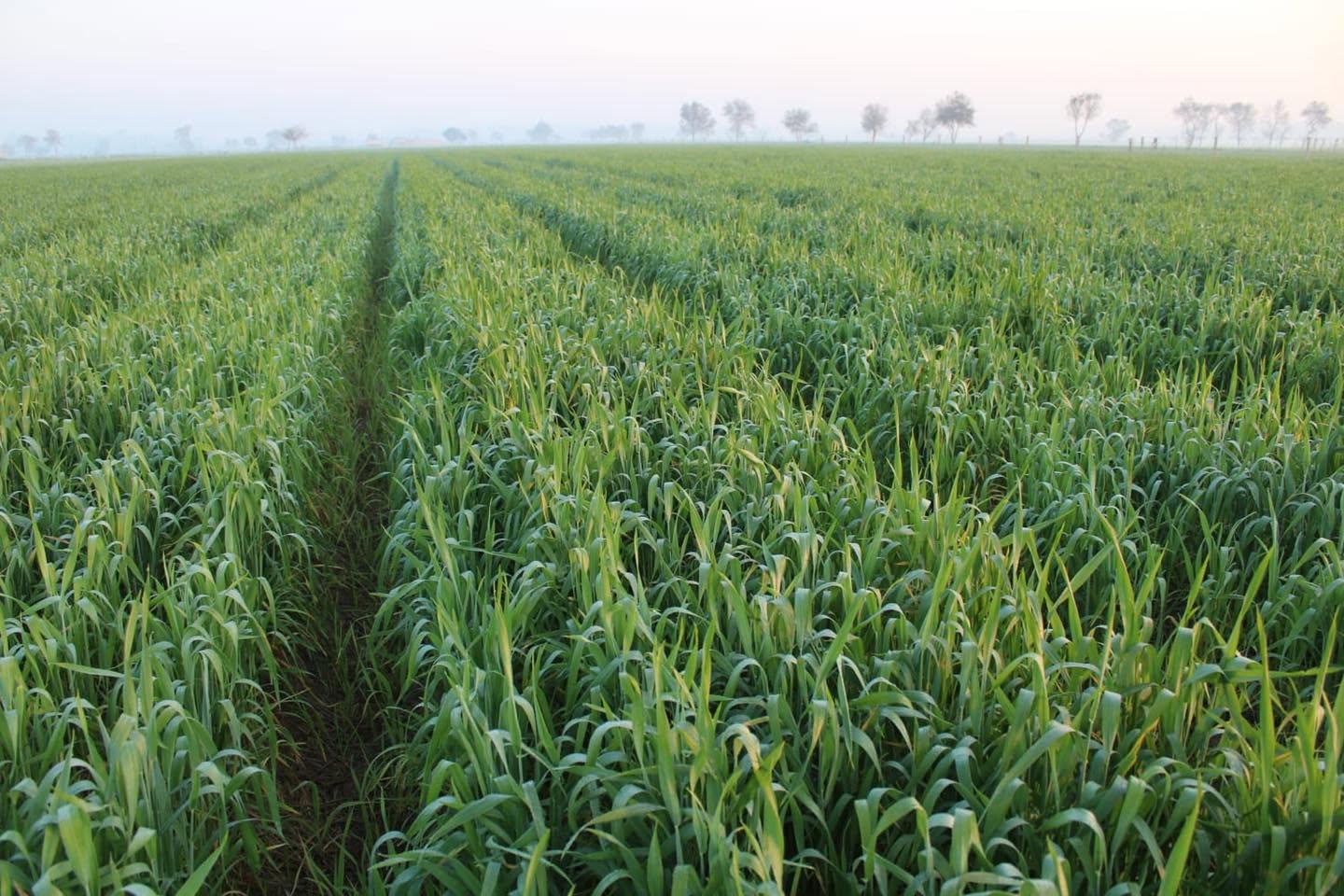
On cold stress, the paper explains that water reaches maximum density at 4°C and expands, rather than contracts, below that point as ice crystals form. Inside the xylem's confined, rigid vessels, this expansion fractures vessel walls or separates water columns; upon thawing, air bubbles form (xylem embolism) and water transport fails even once temperatures normalize, which is why a plant can appear alive immediately after frost but collapse days later. Cold-tolerant species such as wheat, rapeseed, barley, clover, and winter vegetables avoid this fate through intrinsic antifreeze biology: accumulated sugars and amino acids for osmoprotection, antifreeze proteins that inhibit ice crystal growth, more flexible cell membranes, controlled cellular dehydration, and smaller xylem vessel diameters.
Heat stress is presented as a related but distinct failure of the same hydraulic system: excessive transpiration demand increases tension in xylem water columns to the point of cavitation and air entry, compounded by oxidative damage to membranes and enzymes, so the paper's unifying claim is that both cold and heat kill by breaking hydraulic continuity rather than by temperature magnitude alone.
For crops lacking natural stress tolerance, such as potatoes and many vegetables, the paper details a 1% ethanol foliar spray as PQNK's biologically compatible corrective signal, working through four mechanisms: freezing point depression (lowering tissue water's freezing point to delay ice formation), membrane stabilization (increasing flexibility to prevent cracking or leakage), ice nucleation suppression (interfering with crystal-formation sites), and induction of plant immunity through stress priming, triggering stress-responsive proteins, osmoprotectant accumulation, and enhanced antioxidant systems that also activate heat shock proteins, a phenomenon the paper terms cross-stress immunity, since ethanol priming improves resilience to both cold and heat events.
Field guidelines are kept deliberately narrow: 1% concentration only, applied before an expected frost or heat event, targeted at stress-sensitive crops, and avoided during peak sunlight or on already-stressed plants, with the paper explicit that this is priming, not feeding, consistent with PQNK's broader avoidance of chemical inputs except where they mimic a natural physiological mechanism.
Key Takeaways
- Plant death under temperature extremes results from vascular failure (loss of xylem hydraulic continuity), not from temperature magnitude alone, in both freezing and heat scenarios.
- Below 4°C, water expands rather than contracts as it freezes; the resulting pressure fractures xylem vessel walls, producing embolism on thawing that can kill a plant days after the frost event itself.
- Naturally cold-tolerant crops (wheat, rapeseed, barley, clover, winter vegetables) survive via antifreeze proteins, osmoprotective sugars/amino acids, flexible membranes, and smaller xylem vessel diameters.
- A 1% ethanol foliar spray acts through four mechanisms: freezing-point depression, membrane stabilization, ice nucleation suppression, and stress priming that also activates heat shock proteins ('cross-stress immunity').
- Field protocol is narrow and specific: 1% concentration only, applied before expected frost/heat events to stress-sensitive crops, avoiding peak sunlight and already-stressed plants; framed as priming, not feeding.