

Crop-Specific Guides
Soil Strategy for Citrus in Yellow Sand Dunes
A short practical guide for establishing Kinnow and other citrus on loose, low-fertility yellow sand dunes, using a cover-crop mix, mulch, and microbial inputs to build a living root zone in ground that would otherwise drain water too quickly to support the orchard.
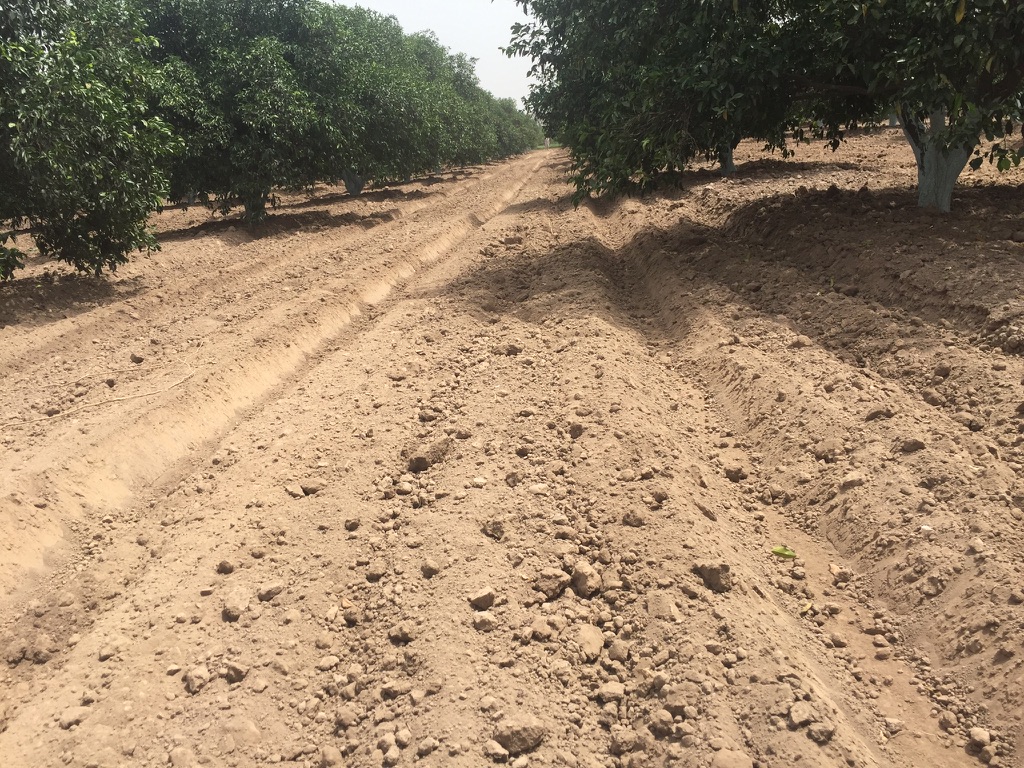
Abstract
Yellow sand dunes present a specific establishment problem for citrus: the soil is loose, low in fertility, and drains water quickly, so trees can be planted into it but cannot be expected to thrive without first reworking the soil itself. This guide sets out a compact sequence of practical steps to convert yellow sand into a productive growing base for citrus using cover plants, mulch, and microbial inputs rather than manufactured soil amendments.
The core intervention is building a living root system in the top 4 feet of soil by growing a mix of Crowfoot Grass, Sunhemp, and Jantar together, chosen so their fibrous and taproot combinations bind the sandy profile, reduce erosion, and open bio-pores for air and water movement. As these companion roots develop they also activate microbial activity in the soil, which the guide treats as the mechanism that converts a structurally weak sand dune into a fertility-building system rather than a passive growing medium.
Surface management follows the same living-soil logic: mulching with dry grass, sugarcane waste, or leaves is used to preserve moisture and regulate soil temperature, existing drip irrigation is run deeper and less frequently to keep the upper root zone active without overwatering the free-draining sand, and compost tea or vermiwash is sprayed every 15 to 20 days to sustain microbial health through the establishment period. Rock phosphate or other natural minerals are offered as an optional addition during the citrus tree's early growth phase.
The guide is deliberately narrow in scope, a field-ready checklist rather than a full orchard management plan, and is published bilingually in English and Urdu for direct use by growers converting yellow sand ground into citrus (Kinnow) production.
Key Takeaways
- Target zone for soil rebuilding is the top 4 feet of yellow sand, built around a companion mix of Crowfoot Grass, Sunhemp, and Jantar.
- Fibrous and taproot combinations from the cover-crop mix bind loose sand, cut erosion, and create bio-pores for water and air movement.
- Mulch (dry grass, sugarcane waste, or leaves) is used specifically to preserve moisture and regulate soil temperature in the free-draining sand.
- Existing drip irrigation should be run deeper and less frequently rather than shallow and frequent, to keep the upper root zone biologically active.
- Compost tea or vermiwash is sprayed every 15-20 days to sustain microbial health during establishment; rock phosphate or natural minerals are an optional early-growth addition.